
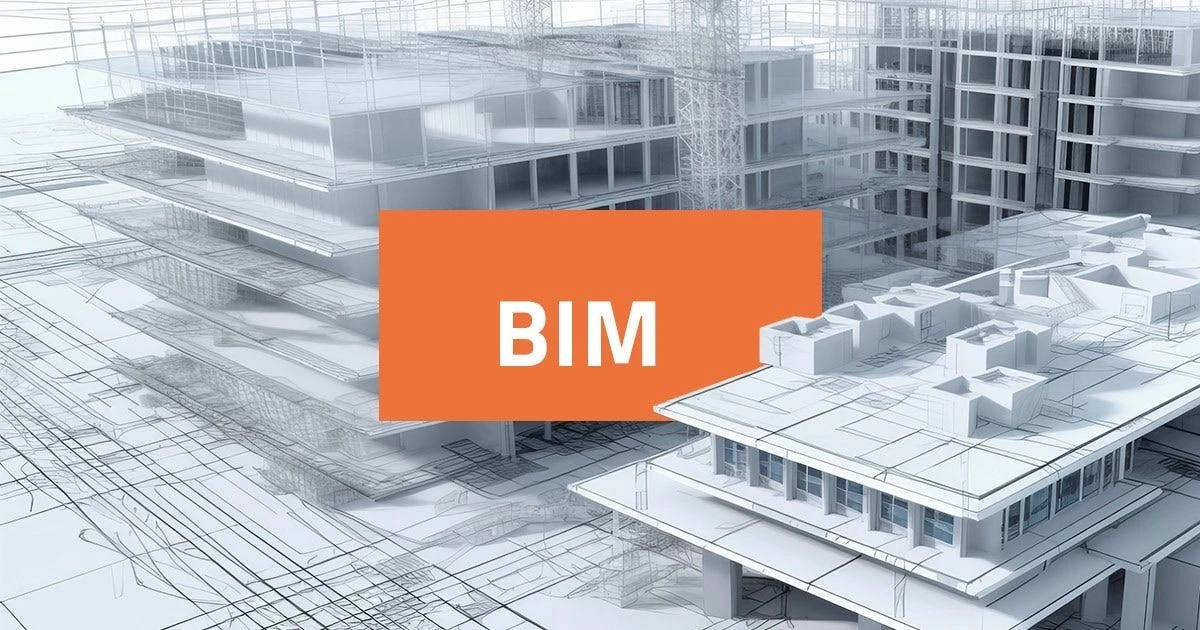
BIM Modeling Services are all about making a digital version of a building or structure using special technology. It's like creating a smart 3D model that helps people involved in designing and building things to work together better. This digital model includes details about the shape of the building, how things are arranged, where it is on the map and other important info. Architects, engineers, and others use these models from the start of a project to when it's built and even after for maintenance. It's a way to make construction projects smoother and more efficient.
BIM Modeling Services involve several important things. First, it's about creating a digital 3D model of a building or structure. Then, different types of information, like how it looks and works, are added to this model. The cool part is that people working on the project can easily share and talk about this information. Also, realistic pictures and simulations are made to help everyone see and understand the project better. Another thing is checking for problems in the design before building starts, kind of like fixing issues in a video game. It also helps figure out how much everything will cost and is used to manage the building even after it's done. Overall, BIM Modeling Services are there to make building stuff easier, avoid mistakes, and make sure everything runs smoothly from start to finish.
BIM (Building Information Modeling) Modeling Services usually include different tasks that help make and take care of digital versions of buildings or structures. The exact tasks can differ between service providers, but some usual ones are:
Architectural BIM Services:
Architectural BIM Services are like using special computer tools to make detailed plans for buildings. Imagine creating a digital version of a building in 3D, so architects can see how it looks and works. This helps them design better and catch any problems early. They can also make realistic pictures to show clients how the building will look.
These services also help architects work together smoothly by letting them share ideas easily. They can figure out how much materials will be needed and how much it might cost. It's like having a smart helper that makes designing buildings easier and more efficient.
Structural BIM Services:
Structural BIM Services involve the use of Building Information Modeling (BIM) technology specifically for the structural aspects of building design and construction. BIM is a digital approach that creates a detailed 3D model of a building, and in the context of structural services, it focuses on the components and systems related to the building's structural integrity.
Structural BIM Services use advanced computer tools to design and analyze buildings. These tools include 3D modeling software, which helps create a digital version of the structural elements like beams and columns. Simulation and analysis software is then employed to check how the structure will perform under different conditions, ensuring it meets safety standards. The coordination process involves using BIM software to make sure all the structural parts fit together seamlessly in the digital model. Additionally, quantity takeoff and cost estimation are aided by specialized tools within the BIM software. Overall, these computer tools facilitate collaboration among structural engineers, architects, and other professionals involved in the construction project, ensuring accurate and efficient structural design.
MEP BIM Services:
MEP BIM Services employ advanced computer tools to craft detailed blueprints for the crucial systems in a building, such as heating, electricity, and plumbing. They develop a digital 3D model of these systems, ensuring seamless integration and efficient operation. These services also assess how these systems will function in different scenarios, optimizing their performance. MEP BIM Services determine the necessary materials, estimate costs, and create meticulous plans for installing and maintaining these systems. By fostering collaboration among engineers, architects, and stakeholders, MEP BIM Services plays a key role in ensuring the effective functioning of all components within the building and promoting smooth communication throughout the project.
BIM Coordination Services:
BIM Coordination Services are like the superheroes of construction planning. They use smart computer tools to check if different parts of a building's design, like architecture, structure, and systems for things like electricity and plumbing, all fit together smoothly. Imagine it's like solving a puzzle to prevent problems during construction. These services also help everyone involved in the project, like architects and builders, talk and work together better. They make sure the digital model of the building is accurate, like a detailed map, and any changes are managed properly. In simple terms, BIM Coordination Services ensure that the whole construction team is on the same page, avoiding mistakes and making the building process more efficient.
BIM Clash Detection:
BIM Clash Detection is like having super-smart computer eyes that check if different parts of a building's digital design, such as walls, pipes, and wires, might run into each other. Imagine it's like spotting where things might bump or not fit well before the builders start working. These tools help the team find and fix these issues early on, so when it's time to actually build, everything fits together perfectly like pieces of a puzzle. It's a way to prevent problems during construction and make sure the building process goes smoothly without surprises.
BIM 4D Services:
BIM 4D Services are like adding a time-travel feature to building plans. Imagine having a smart computer tool that not only shows how a building will look in 3D but also lets you see when and how it will be built. It creates a kind of digital movie that reveals the construction steps over time, helping everyone involved understand the building process. This includes breaking down the construction into different stages, checking if everything fits together well, and making sure the timeline makes sense. It's like having a clear roadmap that helps builders and planners work together smoothly, avoid delays, and make sure the project stays on track.